

01
Confirm the Requirement
Verify that the document or receiving organization specifically requires a jurat or verification on oath or affirmation.
Tell us what document you have and where it will be used. We will help you understand the next preparation steps.
The signer’s identity is confirmed using personal knowledge or satisfactory identification, and the document is signed in the notary’s presence.
The signer voluntarily swears or affirms that the statements contained in the document are true
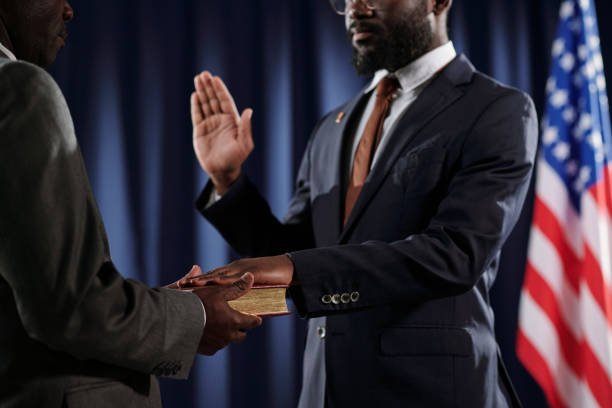
Community Notary Services provides professional jurat services for affidavits, sworn statements, declarations, and other documents requiring the signer to verify that the information provided is true.
During a jurat appointment, the signer personally appears before the notary, provides satisfactory identification, signs the document in the notary’s presence, and takes an oath or affirmation confirming the truthfulness of the statements in the document.
Because a jurat requires the signature to be completed in the notary’s presence, the document should remain unsigned before the appointment. Under Mississippi notary rules, the signer must voluntarily swear or affirm, under penalty of perjury, that the document’s statements are true.
A jurat is used when the receiving party requires more than confirmation of a signature. The signer must also make a formal oath or affirmation regarding the truthfulness of the document’s contents.
The oath and affirmation have the same notarial purpose. An oath may use religious wording, while an affirmation is a nonreligious declaration. The signer may choose the form that is appropriate for them
The notary verifies the signer’s identity, witnesses the signature, administers the oath or affirmation, and completes the notarial certificate. The notary does not verify whether the statements themselves are factually correct. Mississippi law defines a verification on oath or affirmation as the individual’s own declaration that the statement in the record is true.



Jurats are commonly requested for documents containing sworn statements or factual declarations. The document’s preparer or receiving organization should determine whether a jurat is required.
Requirements vary by document and receiving organization. Confirm that your document requires a jurat before scheduling the appointment.
Verify that the document or receiving organization specifically requires a jurat or verification on oath or affirmation.
Appear before the notary with the complete unsigned document and acceptable identification.
Sign the document in the notary’s presence and voluntarily swear or affirm that its statements are true.
The notary completes the jurat certificate and applies the required signature and official seal.
Mississippi requires the notarial certificate to be completed at the time of the act and to include required information such as the jurisdiction, notary’s title, signature, date, and commission-expiration information.